Enamel Hypoplasia: What It Is, How to Detect It, and What Treatments Exist
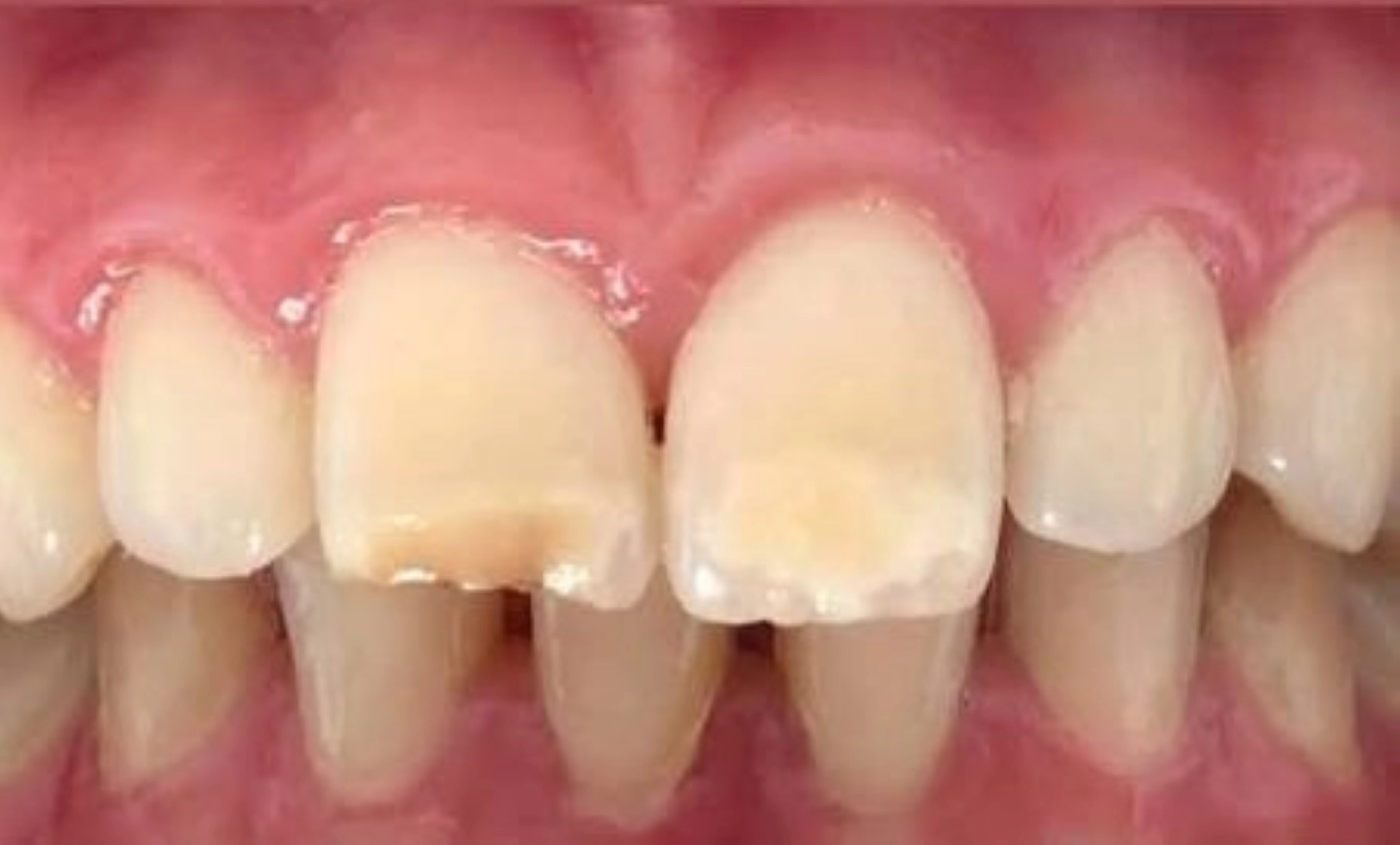
Enamel hypoplasia is a defect in the formation of tooth enamel. Simply put: the tooth is born with an insufficient amount of enamel, or with areas where that protective layer has not developed properly. That is why white, yellow, or brown spots, rough areas, sensitivity, or even a greater tendency to develop cavities can appear.
However, it is worth clarifying something important from the start: not every tooth with a spot has hypoplasia, and not every hypoplasia needs the same treatment. In the dental office, the decision is not made just by looking at “the color.” Color can offer clues, but you also have to assess the texture, sensitivity, integrity of the enamel, and cavity risk before making a diagnosis and deciding whether treatment is necessary.
The good news is that, although lost enamel does not regenerate the way skin does, there are treatments available to protect the tooth, improve its appearance, and prevent complications.
What is enamel hypoplasia?
Enamel hypoplasia, also called dental hypoplasia, is a defect in enamel development. Enamel is the hard outer layer that protects the teeth against wear, temperature changes, acids, and bacteria.
When enamel does not form properly, the tooth may be left more exposed. This may show up as a simple spot, or as a weaker, rough, or sensitive area. In some cases it affects only a small portion of the tooth; in others, it may compromise several teeth.
Why enamel does not regenerate on its own
Tooth enamel is very strong, but it has one important limitation: it does not regenerate naturally. If it is lost or formed incompletely, the body does not create new enamel again.
That is why, when there is enamel hypoplasia, the goal is not to “grow” enamel back, but rather to:
- protect the tooth surface;
- reduce sensitivity;
- prevent cavities;
- improve aesthetics;
- restore damaged areas when necessary.
In mild cases, monitoring, fluoride, or sealants may be enough. In more advanced cases, treatments such as composite, microabrasion, resin infiltration, veneers, or crowns may be required.
Difference between dental hypoplasia, hypomineralization, and common spots
This is where there is often a lot of confusion. A white spot on a tooth does not always mean enamel hypoplasia.
Dental hypoplasia means there is a defect in the amount or formation of enamel. There may be less enamel than normal, areas with grooves, irregularities, or loss of structure.
Hypomineralization, on the other hand, usually refers to enamel that is present, but has a lower mineral quality. It may look opaque, fragile, or show color changes.
There are also spots from other causes, such as fluorosis, initial demineralization, trauma, plaque buildup, or dietary habits. That is why a photo or a simple description is not always enough to know what is going on.
In the dental office, the most useful thing is to observe how that area behaves: whether it is smooth or rough, whether it hurts, whether it accumulates plaque, whether there is loss of enamel, or whether the patient has a high cavity risk.
Symptoms of dental hypoplasia
The symptoms of dental hypoplasia can vary a lot from person to person. Some people only notice an aesthetic change; others have sensitivity, repeated cavities, or enamel wear.
The most common signs are:
- white, yellow, or brown spots;
- teeth with a porous appearance;
- rough enamel;
- small pits or grooves;
- tooth sensitivity;
- greater tendency to cavities;
- wear or fractures in weakened areas.
White, yellow, or brown spots
One of the most common reasons for consultation is spots on the teeth. In enamel hypoplasia, white, yellowish, or brown spots can appear, depending on the depth, the cause, and the condition of the enamel.
But it is important not to focus only on color. A smooth white spot with no sensitivity may require a very different management from a rough, porous spot that comes with cold sensitivity.
That is why, when someone comes in worried about a spot, the question is not only “what color is it,” but also:
- how long it has been there;
- whether it has changed over time;
- whether the tooth hurts;
- whether the surface is smooth or irregular;
- whether there is a history of trauma;
- whether it affects baby or permanent teeth.
Rough enamel, grooves, or small pits
Texture is a very important clue. In some cases, enamel hypoplasia is noticeable because the tooth surface is not completely smooth. There may be small grooves, roughness, porous areas, or pits.
This is not only an aesthetic issue. An irregular surface can make it easier for bacterial plaque to accumulate and, with that, increase the risk of cavities.
In my experience, this part of the assessment is key: a spot may look unremarkable at first glance, but if it feels rough or weakened when examined, the approach changes. At that point we are no longer talking only about improving color, but about protecting the tooth.
Tooth sensitivity and higher cavity risk
Tooth sensitivity can appear when enamel does not adequately protect the dentin, which is the inner layer of the tooth. The patient may notice discomfort with:
- cold drinks;
- hot foods;
- sweets;
- brushing;
- cold air;
- pressure when biting.
Hypoplasia can also increase the risk of cavities, especially when there are zones where the enamel is thinner, porous, or irregular.
Not all cases hurt. In fact, many mild cases of hypoplasia are detected during a routine check-up. But when there is sensitivity or repeated cavities in the same area, it is worth assessing it as soon as possible.
Causes of enamel hypoplasia
Enamel hypoplasia occurs during tooth formation. In other words, the problem appears before the tooth finishes developing or erupting.
It can affect baby teeth, permanent teeth, or both, depending on when the disturbance took place.
Factors during pregnancy or childhood
Some factors during pregnancy or the early years of life can influence enamel development. Among those commonly considered are:
- nutritional disturbances;
- vitamin or mineral deficiencies;
- high fever during childhood;
- infections;
- premature birth;
- low birth weight;
- systemic diseases;
- certain medications.
This does not mean an exact cause can always be identified. Many times, the patient does not remember any specific episode, or the disturbance occurred at a very early stage.
Trauma, infections, and nutritional deficiencies
Trauma can also be related to enamel defects, especially when it affects primary teeth and, by proximity, interferes with the development of the permanent tooth underneath.
For example, a hard blow to a baby tooth can have repercussions on the permanent tooth that is forming beneath it. Years later, that permanent tooth may erupt with a spot, an irregularity, or an area of altered enamel.
Enamel defects have also been linked to deficiencies in vitamin D, calcium, or phosphorus, because these nutrients participate in dental mineralization.
Genetic causes and disturbances of dental development
In some cases, hypoplasia can be related to genetic factors or to disturbances of dental development. One known condition is amelogenesis imperfecta, which affects enamel formation and can cause teeth that are more fragile, sensitive, or with generalized changes in color and structure.
When the disturbance affects many teeth, appears at an early stage, or there is a family history, the assessment must be even more thorough.
How enamel hypoplasia is diagnosed
Enamel hypoplasia should be diagnosed by a dentist through a clinical examination. In some cases it can be supported by X-rays, photographs, sensitivity tests, or follow-up over time.
The key is to differentiate whether we are dealing with true hypoplasia, hypomineralization, a surface stain, early decay, fluorosis, or another type of alteration.
Why looking at tooth color alone is not enough
This point is essential. In the dental office, decisions are not made just by looking at “the color.” A spot can guide you, but it does not by itself confirm the diagnosis or automatically indicate which treatment to perform.
Two patients can have a similar spot and need completely different approaches. One may only require monitoring and prevention; the other may need a restoration if the enamel is weakened or there is sensitivity.
That is why, before treating, it is worth answering questions such as:
- Is the surface smooth or rough?
- Is there real loss of enamel?
- Is there sensitivity?
- Does the patient have frequent cavities?
- Is the lesion stable or progressing?
- Does it affect a visible tooth?
- Is it a child or an adult?
- Is there a risk of fracture or wear?
Texture, sensitivity, and enamel integrity
Enamel texture says a lot. A porous, rough, or grooved area can retain more plaque and be more vulnerable. Sensitivity also changes the approach, because it indicates that the tooth may be less protected.
Enamel integrity is another decisive factor. If the enamel is complete and stable, conservative measures may be enough. If there is loss of structure, cracks, or cavity risk, it may be better to act sooner.
This way of evaluating avoids two common mistakes: overtreating a mild lesion or leaving a tooth that does need it unprotected.
When to see the dentist
It is a good idea to request a check-up if you notice:
- white, yellow, or brown spots that do not go away;
- rough teeth or teeth with small grooves;
- sensitivity to cold, heat, or sweets;
- frequent cavities in the same area;
- visible wear;
- changes in a child’s baby or permanent teeth;
- a tooth that came in already with a spot or defect.
It is also advisable to see a dentist if the mark is on a visible tooth and aesthetics are a concern, because there are conservative treatments that can greatly improve appearance without aggressive solutions.
Treatments for dental hypoplasia
The treatment of enamel hypoplasia depends on the severity, the patient’s age, the area affected, sensitivity, cavity risk, and aesthetic expectations.
There is no single treatment valid for every case. The decision is made after evaluating the tooth as a whole.
Mild cases: fluoride, sealants, and periodic monitoring
In mild cases, when the enamel is stable and there is no significant sensitivity or decay, preventive measures may be enough.
Among the most common options are:
- professional fluoride application;
- remineralizing toothpastes recommended by the dentist;
- dental sealants;
- periodic check-ups;
- plaque control;
- improved oral hygiene;
- dietary advice to reduce acid attacks.
The goal is to reinforce tooth protection and prevent the affected area from worsening.
In these cases, I often explain that you do not always have to “do something” right away. Sometimes the best treatment is careful monitoring, protecting the enamel, and acting only if sensitivity, decay, or deterioration shows up.
Moderate cases: composite, microabrasion, or resin infiltration
When hypoplasia affects aesthetics, causes roughness, or partially compromises the structure, more active treatments may be considered.
Dental composite allows damaged areas to be rebuilt, defects to be covered, and the shape or color of the tooth to be improved. It is a widely used option because it preserves a good amount of tooth structure and offers good aesthetic results.
Microabrasion can be useful for some surface stains, although it is not always indicated when there is significant enamel loss.
Resin infiltration can improve certain white spots and early defects, depending on the type of lesion and its depth.
Here, again, diagnosis is key. A technique is not chosen just because the spot is white or yellow. You have to assess whether the surface is intact, whether there is porosity, whether the patient has sensitivity, and what result can realistically be expected.
Severe cases: veneers, crowns, or other restorative treatments
In severe hypoplasia, when there is significant loss of enamel, intense sensitivity, fractures, wear, or marked aesthetic involvement, more comprehensive restorative treatments may be necessary.
Depending on the case, the following may be considered:
- extensive composite reconstructions;
- dental veneers;
- crowns;
- combined treatments;
- root canal treatment if there is pulp involvement in very advanced cases.
Veneers can greatly improve aesthetics on front teeth, but they are not the first option for every patient. Crowns are usually reserved for cases where the tooth needs greater structural protection.
The priority should always be to preserve healthy tooth tissue, protect the tooth, and choose a treatment proportional to the problem.
Enamel hypoplasia in children
Dental hypoplasia in children deserves special attention, because the affected teeth can be more vulnerable to cavities and sensitivity from an early age.
In addition, detecting the problem early allows preventive action and avoids more complex treatments in the future.
Hypoplasia in baby teeth
Hypoplasia can affect baby teeth. Even though these teeth will eventually fall out, that does not mean they should be ignored. Primary teeth perform important functions: they help with chewing, speaking, maintaining space for the permanent teeth, and guiding oral development.
If a child has baby teeth with spots, roughness, or sensitivity, it is worth having them checked. Sometimes monitoring and prevention are enough; other times sealing or restoring may be needed to avoid pain or cavities.
Hypoplasia in permanent teeth
When hypoplasia appears in permanent teeth, the approach changes because these are teeth meant to last a lifetime.
In these cases, it is important to assess:
- whether the alteration is in molars or incisors;
- whether the child has sensitivity;
- whether there is cavity risk;
- whether hygiene is difficult because of the roughness;
- whether there is an aesthetic or emotional impact.
A child with visible spots on the incisors may feel self-conscious, so you should not look only at the functional side. Aesthetics matter too, especially when they affect the child’s confidence.
How to prevent cavities and sensitivity from an early age
Prevention in children with enamel hypoplasia usually includes more frequent check-ups, plaque control, fluoride, sealants, and tailored hygiene guidelines.
It is also important that parents do not wait until the child has pain. Many times, by the time pain appears, the problem has already progressed.
If spots or defects are detected in newly erupted teeth, the ideal is to assess them promptly to decide whether they only need monitoring or whether it is worth protecting the surface.
Can dental hypoplasia be prevented?
Enamel hypoplasia cannot always be prevented, because many causes occur during tooth development and do not depend directly on the patient.
Even so, many of its consequences can be prevented: cavities, sensitivity, wear, fractures, or aesthetic worsening.
Dental check-ups and early diagnosis
The dental check-up is the most useful tool for detecting hypoplasia early. The sooner a weak enamel area is identified, the easier it usually is to protect it.
This is especially important in children, when the first permanent molars and incisors erupt. If those teeth come in with spots or defects, it is not worth waiting years to see “if it goes away.”
Hypoplasia does not go away on its own, although some spots may remain stable without causing problems.
Hygiene, diet, and enamel protection
Good oral hygiene helps lower the risk of cavities in teeth with weak enamel. It is advisable to:
- brush with an appropriate fluoride toothpaste;
- use dental floss or interdental brushes when indicated;
- reduce frequent sugar intake;
- avoid acidic drinks on a continuous basis;
- attend check-ups;
- follow the personalized recommendations of your dentist.
When enamel is more vulnerable, daily habits matter a lot. It is not about living in fear of eating or drinking, but about reducing the frequency of exposure to acids and sugars.
What to do if you already have spots or sensitivity
If you already have spots, roughness, or sensitivity, the wisest move is to request an assessment. It is not a good idea to start with aesthetic treatments without first knowing what is going on.
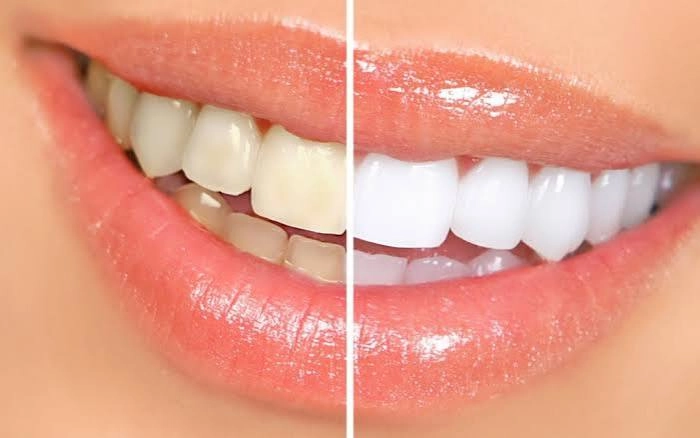
For example, whitening may not be the best first option if the tooth has a sensitive hypoplastic area with enamel loss. First you have to check whether the surface is healthy, whether it needs protection, and what result can be achieved.
In other words: diagnosis first, aesthetics second.
Quick table: symptoms, what they may indicate, and when to act
| Observed sign | What it may indicate | When it should be checked |
| Smooth white spot | Mild alteration, demineralization, or another surface defect | If it does not go away, grows, or is an aesthetic concern |
| Yellow or brown spot | Greater enamel alteration or pigmentation | If it has been there since eruption or changes over time |
| Rough enamel | Hypoplasia, porosity, or structural defect | As soon as possible, due to risk of plaque and cavities |
| Sensitivity to cold or sweets | Weakened enamel or more exposed dentin | If it repeats or affects eating habits |
| Grooves or pits | Defect in enamel formation | If they trap plaque or stain easily |
| Frequent cavities | Greater tooth vulnerability | Always requires assessment |
| Wear or fracture | Loss of structural strength | Priority check-up |
Discuss your case at salud dental HJC
If you have noticed white, yellow, or brown spots, sensitivity, rough areas, or suspect you may have enamel hypoplasia, the best step is to have your case assessed on an individual basis.
At salud dental HJC we evaluate not only the appearance of the tooth, but also the enamel texture, sensitivity, the integrity of the tooth, and cavity risk, in order to determine whether monitoring the evolution is enough or whether some treatment is advisable.
Every case is different. That is why, before deciding between fluoride, sealants, composite, veneers, or other options, it is important to make an accurate diagnosis.
Request your assessment at salud dental HJC and find out which treatment is most appropriate for your case.
Frequently asked questions about enamel hypoplasia
Can enamel hypoplasia be cured?
Enamel hypoplasia is not cured in the sense that the lost enamel grows back. However, it can be treated, protected, and restored. In mild cases prevention may be enough; in moderate or severe cases, composite, sealants, veneers, crowns, or other solutions may be used.
Are all white spots hypoplasia?
No. White spots can appear because of hypoplasia, fluorosis, demineralization, early decay, trauma, or other causes. That is why it is important not to diagnose based only on color. Texture, sensitivity, enamel integrity, and cavity risk must be assessed.
Does dental hypoplasia hurt?
It can hurt, but not always. Some people only have an aesthetic alteration and feel no discomfort. Others notice sensitivity to cold, heat, sweets, or when brushing. If there is sensitivity, it is worth having it checked.
Is dental hypoplasia serious?
It depends on the case. Mild hypoplasia can be managed without major treatments. More severe hypoplasia can increase the risk of cavities, sensitivity, wear, or fracture. Severity is not measured only by the color of the spot, but by the actual condition of the enamel.
What is the best treatment for enamel hypoplasia?
The best treatment depends on each case. It can range from fluoride and periodic monitoring to sealants, composite, microabrasion, resin infiltration, veneers, or crowns. The choice should be made after a clinical assessment.
Can enamel hypoplasia appear in children?
Yes. It can affect both baby and permanent teeth. In children it is especially important to detect it early in order to prevent cavities, sensitivity, and oral development problems.
Can a tooth with hypoplasia be whitened?
Sometimes yes, but it is not always the most appropriate choice. If there is enamel loss, sensitivity, or roughness, the health of the tooth must be assessed first. In some cases other aesthetic options, such as composite, resin infiltration, or veneers, work better.
What happens if dental hypoplasia is not treated?
If it is mild and under control, it may not cause problems. But if the enamel is weakened, the risk of cavities, sensitivity, wear, or fractures can increase. That is why it is important to have it reviewed and decide whether monitoring is enough or whether treatment is advisable.
Enamel hypoplasia is a disturbance of dental development that can show up as spots, roughness, sensitivity, or loss of enamel. Although it sometimes appears to be only an aesthetic issue, in some cases it can affect tooth health and increase the risk of cavities or wear.
The most important thing is not to draw conclusions based on color alone. In the dental office, a proper evaluation considers texture, enamel integrity, sensitivity, and the individual risk of each patient. That difference is what allows us to decide whether it is enough to monitor and protect, or whether a restorative treatment is necessary.
If you have noticed spots, sensitivity, or rough areas on one or several teeth, the best step is to have them checked. The sooner they are assessed, the easier it usually is to protect the enamel and prevent complications.