At Salud Dental HJC we believe there is no better tooth than your own. Conservative dentistry is the heart of our practice: minimally invasive treatments designed to stop oral problems early, repair the damage, and extend the life of your natural teeth.
Avoid unnecessary extractions
Our goal is to restore the balance of your mouth in the most comfortable, fast and long-lasting way possible. Preserving your original smile will always be our first and best option.
Minimal intervention
We follow a minimal-intervention philosophy: prevent, catch problems early and treat while preserving as much of the original tooth structure as possible.
Main treatments
A complete range of care to keep your smile healthy for as long as possible.

Oral hygiene and prophylaxis
A deep cleaning carried out in clinic by a dental hygienist to remove the tartar and the bacterial plaque that builds up where your toothbrush cannot reach.
Dental fillings
Definitive treatment to clear cavities in their early or intermediate stages and give the tooth its function back.
Dental reconstructions
The solution for teeth that have suffered fractures, severe wear or extensive decay, recovering their shape and function.
Endodontics (root canal treatment)
The last chance to save a tooth when decay has reached the nerve (pulp) and is causing pain or infection.
Dental inlays
Bespoke restorations made in the laboratory for back teeth (molars) that have lost a large part of their structure, but not enough to need a crown.
Pit and fissure sealants
A painless preventive treatment, ideal for children and teenagers whose molars have only just erupted. A protective layer is placed over the areas prone to decay.
Professional fluoride treatment
A professional application of a high-concentration fluoride gel in the clinic to strengthen enamel and prevent demineralization.
Basic periodontal maintenance
Monitoring and cleaning for patients who have had gum problems (bleeding or loss of support for the tooth).
Preventive check-ups
Catching a problem in time makes the difference between a simple filling and a far more complex treatment.
Your smile, in good hands
Advanced technology and a specialist team to preserve your natural teeth.
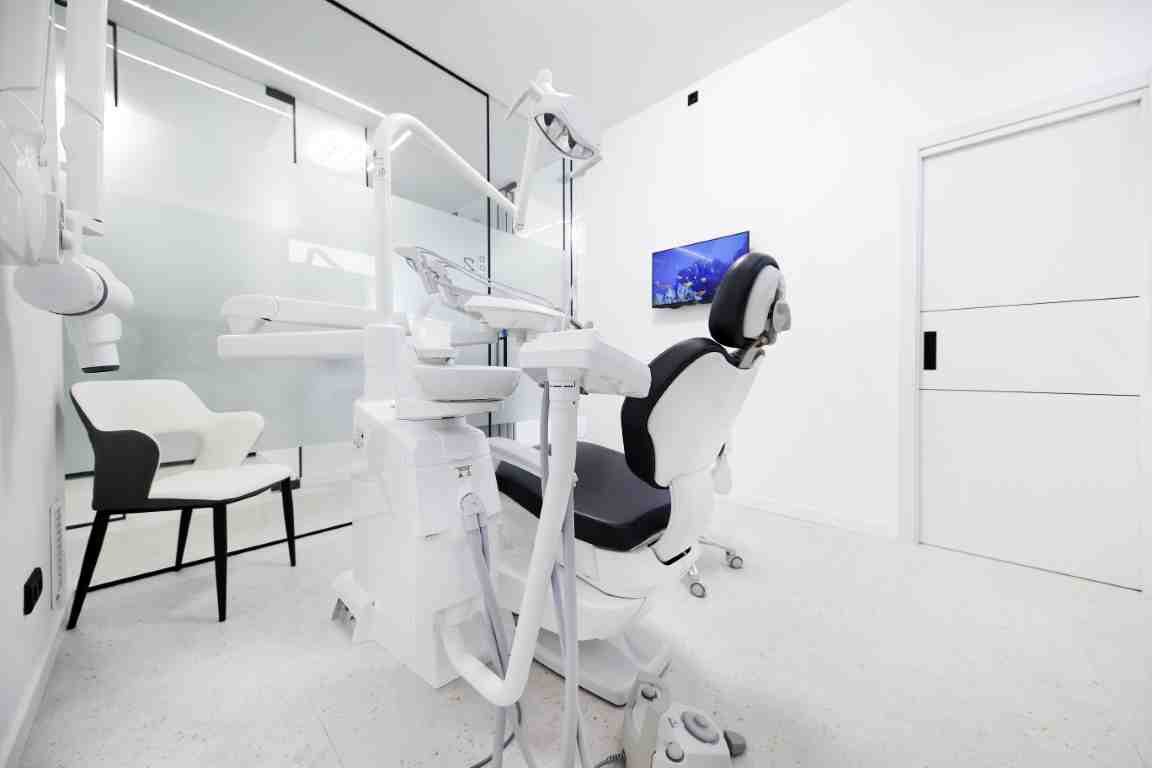
State-of-the-art facilities
Modern equipment for precise, comfortable treatment.
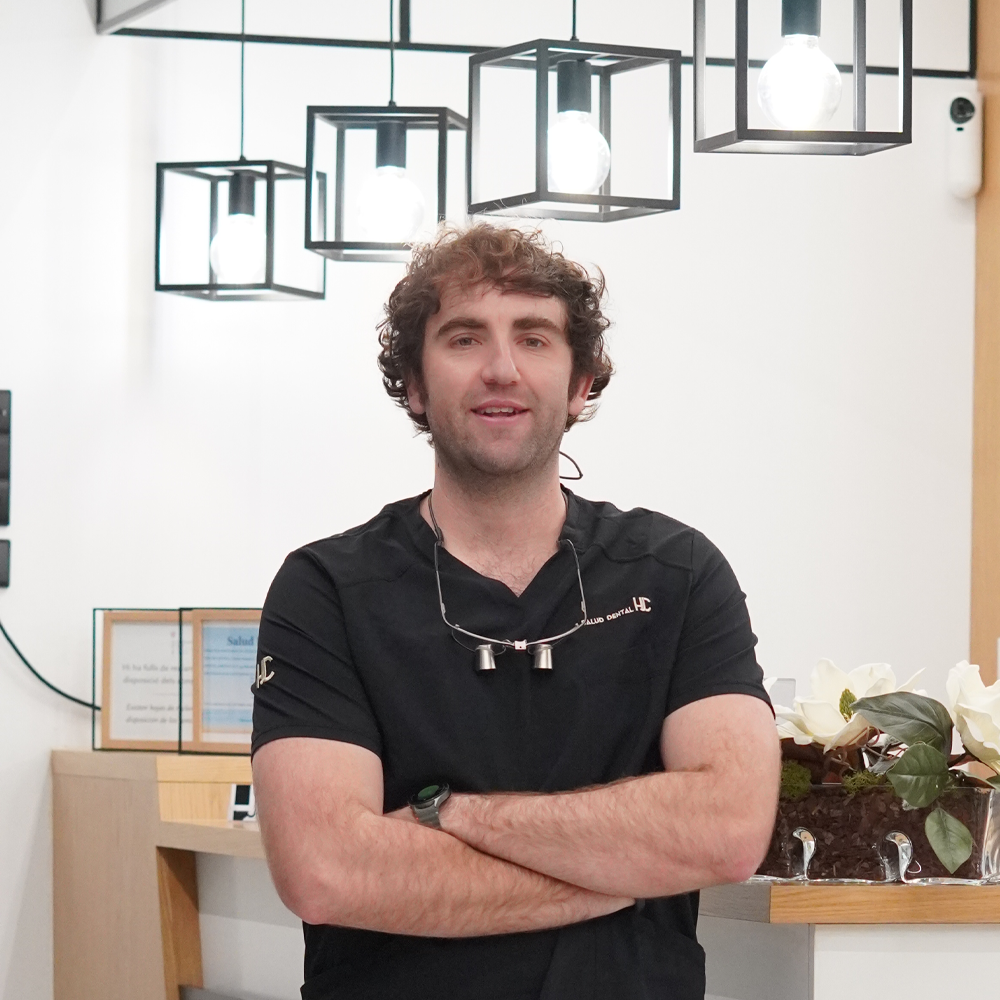
Specialist team
Professionals trained in conservative dentistry and minimal intervention.
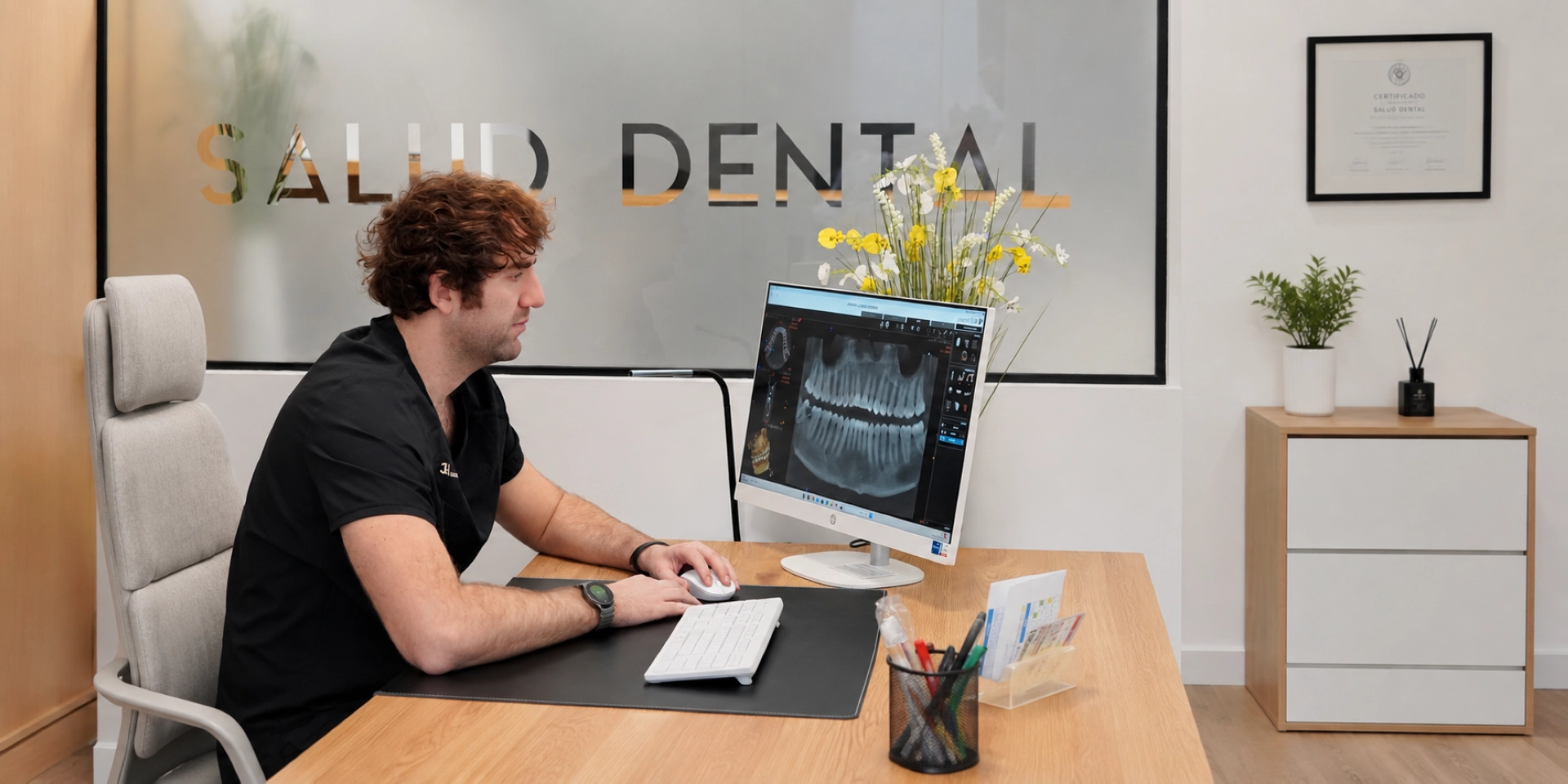
Tailored treatments
Personalized solutions to preserve your natural smile.
Do you feel sensitivity or discomfort when eating?
A small problem today can become a root canal tomorrow. Protect your oral health before it is too late; our team is ready to help you keep your wellbeing on track.
Book your appointment todayOur recommendations
Success in conservative dentistry starts at home. To stop cavities appearing and keep your mouth free of infection, we recommend following these four basic pillars:
Master your brushing routine
Brush your teeth 3 times a day for 2 minutes using a toothpaste with fluoride. An electric toothbrush is your best ally.
Clean between your teeth
A toothbrush cleans only 60% of the tooth surface. Use dental floss or interdental brushes once a day to clean the remaining 40%.
Watch what you eat
Cut back on sugar and sticky foods. Also avoid biting very hard things (like ice or pens) that can crack your enamel.
Don’t wait for the pain
Early cavities give no warning. Visit us every 6 months for a preventive check-up; catching a problem in time makes the difference between a simple filling and a root canal.
Prevention is the foundation of good oral health for life. With the right oral hygiene habits and regular dental visits, it is possible to avoid the most common dental diseases.
Your original smile is irreplaceable
Avoid extractions with our advanced technology in fillings, reconstructions and prevention.
Frequently asked questions about conservative dentistry
We answer the questions our patients ask us most often.
What exactly is conservative dentistry?
It is the branch of dentistry that prevents, treats and restores teeth damaged by decay, trauma or wear. Its philosophy is “minimal intervention”: keep as much of the original tooth structure as possible and avoid extracting the tooth at all costs.
Does a filling or a root canal hurt?
Not at all. Today we use very advanced local anaesthetic techniques that numb the area completely, so treatment is completely painless. Afterwards, especially in the case of a root canal, you may notice mild sensitivity for a few days, which is easily controlled with ordinary painkillers.
Is a dental inlay or a crown better?
Whenever possible, we recommend the inlay. Fitting a crown means grinding away a large part of the healthy tooth. The inlay, on the other hand, is made to measure in the laboratory to fill only the damaged part, protecting the rest of the intact tooth and being far more respectful of your dental anatomy.
Why do I need a professional cleaning if I already brush my teeth at home?
Even if your home hygiene is perfect, there are hard-to-reach areas where bacterial plaque accumulates and hardens, turning into tartar. Tartar cannot be removed with a conventional toothbrush; it requires ultrasonics and professional instruments in the clinic to stop it causing cavities or inflammation of your gums (gingivitis).
What happens if I decide not to treat a small cavity because it does not hurt?
Cavities in their early stage do not hurt because they only affect the enamel (the outer layer). If they are not treated in time with a simple filling, the infection will inevitably spread towards the dentine and the nerve. What today is solved in 30 minutes, tomorrow may need a root canal or, in the worst case, the extraction of the tooth.
Is it normal to feel sensitivity after a filling?
Yes, it is completely normal to notice some sensitivity to cold, heat or pressure during the first few days or weeks. The tooth has undergone a small “surgical intervention” and the nerve may be slightly irritated. If this discomfort does not go away or gets worse after a month, we recommend that you visit us so we can check your occlusion (bite).
Can a tooth that already has a filling get cavities again?
Yes, this is known as secondary decay or marginal leakage. If oral hygiene is not good enough, bacteria can attack the edges where the filling meets the natural tooth. Having a filling does not make you immune; you still need to brush and floss that area exactly as you do the rest of your mouth.
If my gums bleed when I brush, is it better not to touch the area?
Quite the opposite. Gums bleed because they are inflamed by the build-up of bacterial plaque underneath them (gingivitis). If you stop brushing that area for fear of the bleeding, more bacteria will build up and the problem will get worse. You should brush gently but consistently and, above all, book an appointment for a professional cleaning, as it is the only way to cut that inflammation at the root.
A minute today saves you a problem tomorrow. Book your appointment!