Bruxism, TMJ and Occlusion

Bruxism, TMJ and Occlusion

Free your jaw, recover your wellbeing

Bruxism, TMJ dysfunction (temporomandibular joint) and occlusal problems are three closely related factors that affect oral health and people’s general wellbeing.

What is bruxism?

Bruxism is the involuntary habit of clenching or grinding your teeth. It can happen both during the day and at night (sleep bruxism) and is usually strongly linked to factors such as stress, anxiety or poor dental alignment. Over time, this constant rubbing wears down the enamel, fractures teeth and causes severe muscle overload.

What is the TMJ?

The TMJ is the temporomandibular joint. It works like a sliding hinge that connects the jaw to the skull (just in front of the ears). Thanks to it we can speak, chew and yawn. When this joint or the muscles around it do not work properly, we speak of TMJ disorders or TMJ dysfunction.

What is occlusion?

Dental occlusion is the way your upper and lower teeth fit together when you close your mouth. A “good occlusion” lets you chew properly and distributes the forces evenly. When there is a bad occlusion (the teeth do not mesh properly), it creates an asymmetric tension that usually triggers bruxism or wears down the joint (TMJ).

When should you see a specialist?

At Salud Dental HJC we recommend requesting a dental assessment if you regularly experience any of the following symptoms:

01

Constant headaches, especially on waking up.

02

Pain or ringing in the ears (tinnitus) with no ENT cause.

03

Clicks, crackling or a feeling of locking when opening or closing your mouth.

04

Pain or fatigue in the jaw muscles when chewing.

05

Visible wear on the teeth, tooth sensitivity or receding gums.

06

Pain spreading to the neck, shoulders or cervical spine.

Our Treatments to restore
your wellbeing and your smile

The good news is that you do not have to learn to live with pain. Today there are personalised solutions that will help you relax the area and protect your teeth:

Occlusal Splints

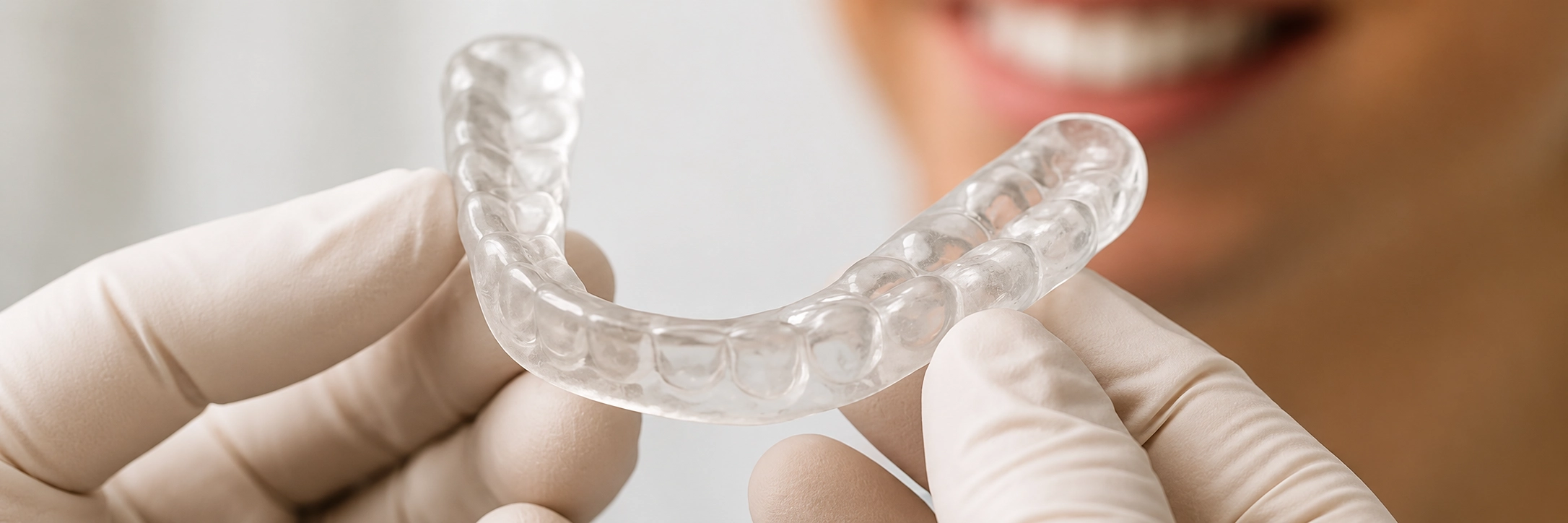
This is the star treatment. It is a resin guard made to the exact fit of your mouth that you wear while you sleep. It stops your teeth from clashing, slows down the wear and gives your muscles a deep “rest”.

Orthodontics

If the problem is that your teeth do not fit together properly, correcting the position of your bite will relieve at its source the pressure your jaw is under.

Maxillofacial Physiotherapy

Just as you visit a physiotherapist when your back hurts, there are specific massages and exercises to relax the facial muscles and restore mobility to the TMJ.

Therapeutic Infiltrations

In cases where the pain is very acute, infiltrations (such as botulinum toxin) can be used to temporarily relax the most tense masticatory muscles.

Stress Management and Lifestyle

Since stress is the main driver of bruxism, combining your dental treatment with relaxation techniques, yoga or meditation will make an enormous difference to your recovery.

Your wellbeing starts here

Caring for your mouth is caring for your rest and your quality of life

If you feel your jaw is at its limit, treat yourself to a moment to consult a specialist. Your wellbeing starts with a bite free of tension.

Take care of your jaw and teeth before any problems appear!

Book appointment

Frequently Asked Questions about Bruxism, TMJ and Occlusion

We answer the questions our patients ask most often.

Can bruxism be cured for good?

Bruxism is not “cured” like a disease, because it is usually an unconscious response of the body to stress. However, it can be controlled and treated with complete success. The goal of the treatment is to eliminate the pain symptoms, relax the musculature and protect your teeth so they do not go on breaking or wearing down.

How long does an occlusal splint last?

A good quality occlusal splint usually lasts between 2 and 5 years. Its useful life depends on how hard the patient clenches and on the care it receives. It is essential to attend your periodic check-ups with your dentist so it can be adapted and readjusted when necessary.

What happens if I have bruxism and do not get treatment?

Not treating bruxism can cause serious long-term consequences. The most common are severe tooth wear and fracture, gum loss, chronic head and neck pain, and even permanent damage to the jaw joint (TMJ), which could end up limiting your ability to open your mouth to eat.

What is the difference between bruxism and the TMJ?

Bruxism is the action (clenching or grinding your teeth), while the TMJ is the anatomical part (the jaw joint). Continued bruxism is usually one of the main causes that ends up inflaming and damaging the TMJ.

How do I know if my headache is caused by my jaw?

If you wake up with a dull headache in the temples or behind your eyes, accompanied by facial stiffness or tiredness when chewing breakfast, it is very likely tension-related and caused by night-time bruxism.

Do pharmacy soft splints work for bruxism?

They are not recommended for treating tension bruxism. Soft or generic splints are easy to buy, but because they are elastic they stimulate the chewing reflex and make the patient clench even harder, worsening the muscle pain. A real occlusal splint must be rigid, made of resin and fully adapted to your bite by a dentist.

Why does stress increase bruxism?

The human body channels anxiety and day-to-day tensions in different ways. One of the most common escape routes is the masticatory system. At night, when the brain processes worries, it unconsciously activates the muscles of the mouth, causing us to clench our teeth as a tension-related defence mechanism.